A Rainy Afternoon at the Matinee
Plan a rainy afternoon matinee with a suitable screening, a calm arrival and room to linger, so the cinema visit feels unhurried from start to finish.
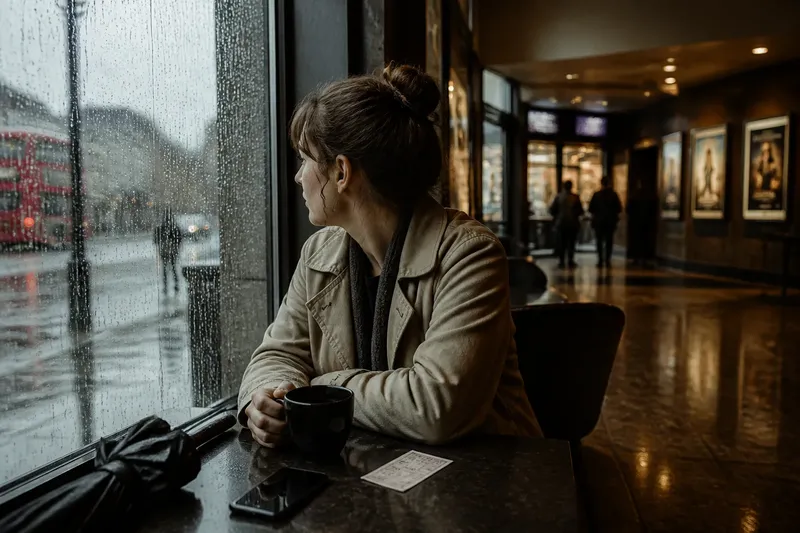
The most common mistake in planning a rainy afternoon matinee is treating the cinema visit as a race from the front door to the seat. That hurry can turn a modest pleasure into damp sleeves, queues and last-minute decisions. A little preparation leaves room for the film and the quiet interval around it.
A solo matinee needs no elaborate itinerary. Choose one screening, allow time to arrive without rushing, and decide what would make the journey comfortable. The aim is not to manage every moment, but to let the rain give the visit an unhurried shape.
How do you choose a rainy afternoon matinee?
Start with the afternoon you actually have. Check the cinema’s listings and choose one screening that fits, rather than booking a chain of films that leaves no room to pause. If two films appeal, pick the one you are more willing to give your attention to. A matinee can feel spacious when you are not watching the clock for the next booking.
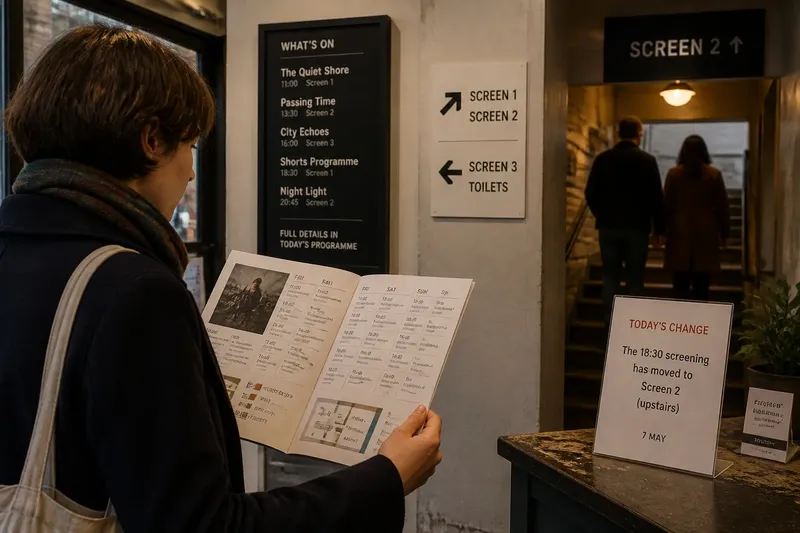
Consider the practical shape of the visit as well as the title. Check the venue’s location, the route from your nearest stop or parking area, and whether the entrance is easy to find. If the cinema has several screens, note the screen name on the listing or booking confirmation so you can find it without searching the building.
Book through the cinema’s usual method if you prefer to settle the choice before leaving home. If you would rather decide on arrival, check that the venue sells tickets in person and that the screening is listed. Either approach can work; the useful part is knowing what you plan to do before you are outside in the rain.
Say you have an open afternoon, a bus ride to the local cinema and a choice between two films. You choose the one whose subject has been on your mind, save its screening details on your phone and leave the other for another day. The result is a settled plan: you reach the counter knowing what you want to see, without having to weigh both options while wet and hurried.
What should you check before leaving home?
A cinema outing does not need a packed bag, but a few checks can prevent small snags. For each item, decide what you will do if the detail is missing or unsuitable.
- Screening details: Check the film title and start time; if they match your plan, save them, and if not, choose another listed screening before setting out.
- Ticket arrangement: Check whether you have a booking confirmation or need to buy at the box office; if the confirmation is accessible, keep it ready, and if not, verify the cinema’s in-person sales arrangements.
- Route and entrance: Check the address, route and entrance; if the route is clear, use it, and if a stop or entrance is uncertain, check the venue’s directions before leaving.
- Weather layer: Check the forecast and the length of your walk; if rain is expected, take a coat or umbrella, and if you have a short covered route, carry only what you will use.
- Wet-item plan: Check whether you can fold or stow your umbrella and coat once inside; if the cinema has a suitable place or your bag can contain them, use it, and if not, travel with a compact layer that will not obstruct your seat.
- Access arrangements: Check the venue’s stated access information if you need particular facilities; if it covers your needs, save the relevant details, and if anything is unclear, contact the cinema before travelling.
- Time after the film: Check what you have planned immediately afterwards; if there is no fixed appointment, leave room to pause, and if you must be somewhere, check the return route and allow for the transition.
Use the cinema’s own listing and relevant travel information for your plans. For ticket conditions or access arrangements, follow the venue’s guidance or ask its staff.
How early should you arrive for a matinee?
Choose an arrival time that gives you breathing room without leaving you waiting so long that you become restless. The right margin depends on the journey, the venue and whether you need to collect a ticket. If the route is unfamiliar or the weather is heavy, allow time to walk from your stop and find the entrance. If you know the building and already have your ticket, a shorter pause may feel more natural.
Once inside, take care of the ordinary details: put away your umbrella, remove your coat if you want to, and check the screen or seat information. You might sit in the foyer, look at the listings or simply pause before going in. There is no need to fill every spare minute with browsing or a purchase.
Arriving early is not a contest. The aim is to enter the auditorium with enough calm to settle. If a queue or delayed bus changes the plan, focus on the next useful action: confirm your ticket, find the screen and take your seat when you can.
How can you make the solo screening comfortable?
Pick a seat that suits how you like to watch, if the booking system lets you choose. Some people prefer an aisle; others like a central view. There is no universally best seat, so use what you know about your own comfort rather than guessing what a solo visitor is supposed to do.
Before the film starts, silence your phone, settle your belongings and let the room become part of the outing. A solo visit can be restful because there is no need to coordinate reactions or conversation. You can follow the film closely, let your attention wander briefly or simply enjoy sitting among other people without having to speak.
If you feel self-conscious arriving alone, give yourself a practical focus: find the screen, check the row and get comfortable. Other visitors are occupied with their own plans. You do not have to justify being there or make the experience productive.
What can you do after the screening?
When the credits end, pause before stepping outside. Collect your belongings and decide whether to leave straight away or sit for a short while. Rain can make the transition back to the street feel abrupt, so a brief pause indoors may help the afternoon keep its slower pace.
You need not turn the visit into a collecting project. If a detail stays with you, make a short voice memo on your phone as you leave: name the film and cinema, then record the image, sound or moment you want to remember. If you would rather not keep a record, let the thought pass. Either choice leaves the focus on the experience rather than on acquiring another object.
Say you leave a screening thinking about the foyer’s rain-streaked windows more than the plot. You record a brief note on your phone about that contrast while waiting for the bus; later, the note brings back the particular mood of the afternoon without adding paper to your bag. If you have no wish to record it, simply noticing the detail is enough.
Which small questions help settle the plan?
Should you book a ticket before you go?
Book ahead if you prefer to settle the screening choice at home or need a ticket in advance. If you would rather decide at the venue, check the cinema’s ticket arrangements first and keep a suitable alternative in mind.
What should you bring to a rainy matinee?
Take a weather-appropriate coat or umbrella and keep your ticket details accessible. Plan where wet items will go so they do not make settling into the auditorium awkward.
Is it strange to go to the cinema alone?
No special reason is needed to attend by yourself. A solo matinee lets you set the pace, choose the film and leave when you are ready.
How can you remember the outing without collecting a keepsake?
You can make a short voice memo or simply notice one detail you want to carry with you. A record is optional; it need not become another task.
How can you keep the afternoon unhurried?
Let the plan stop at the cinema door. You have chosen a screening, made the journey and left space around the film; there is no need to turn the outing into a scorecard of accomplishments. If the rain continues, take the route home at a comfortable pace. If it clears, decide then whether to linger or head straight back.
A rainy afternoon matinee works best when its small arrangements serve the visit rather than crowd it. Choose one film, arrive with time to settle and give yourself permission to leave the afternoon open. That is often enough to make the walk back through the rain feel like part of the outing, not merely the journey home.